How Asian Fit Nose Pads Fix Low Bridge Sunglasses
Founder & Fashion Creative Director at Julia Fashionista · CFDA Fashion Scholar, Certified Image Consultant (AICI) · 12+ years in editorial wardrobe styling, sustainable textile sourcing, and luxury capsule curation
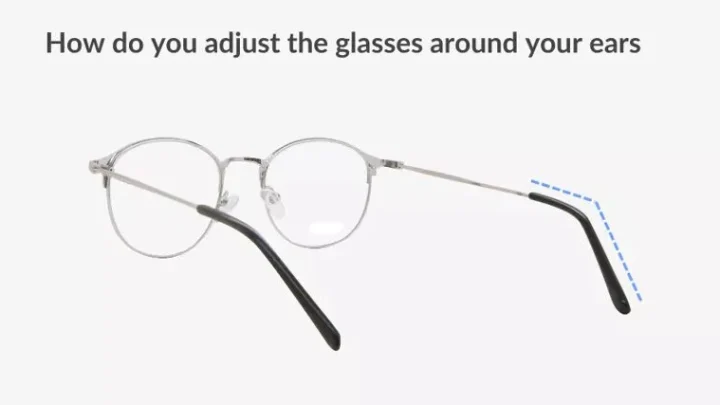
If your sunglasses slide down your nose or rest on your cheeks, your frames lack bridge support. Adding low bridge fit sunglasses asian fit pads solves this issue by lifting the front frame away from your face.
Standard sunglasses rely on a prominent nasal crest to stay in place. According to optical standards outlined by The Vision Council, standard frames feature bridge widths between 18mm and 22mm. These measurements cause slippage for shallow nasal bridges, but aftermarket silicone inserts solve this without costly frame replacements.
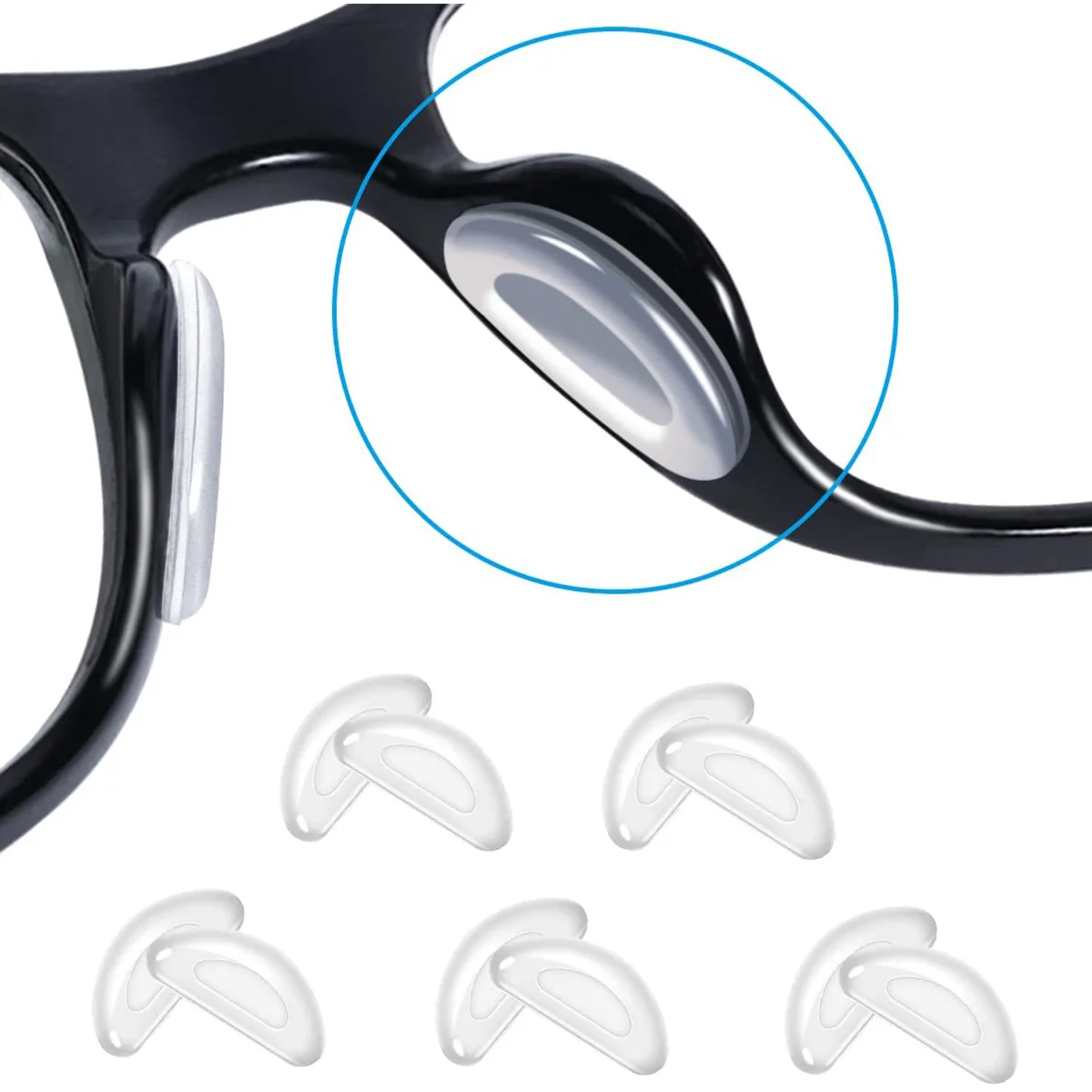
Image source: Bing (Web (fair-use with source credit))
Quick Answer
Low bridge fit sunglasses asian fit pads lift frames off cheekbones. They reduce the bridge opening on standard sunglasses. These adhesive silicone pads attach directly to fixed plastic frames.
They add between 1.0mm and 3.0mm of extra bridge height. This prevents frame slip and stops lens fogging.
The Low Bridge Fit Problem: Why Regular Sunglasses Slide and Cheek-Rest
Standard frames slide down shallow nasal profiles because the acetate bridge never makes full physical contact with the nasal bone. The frame slips until the lower rim hits your cheekbones. When your zygomatic arch supports the glasses instead of your nose, the frame moves whenever you smile, talk, or chew.
This fit issue also ruins proper optical alignment. Sunglasses need adequate vertex distance, which is the space between your cornea and the back surface of the lens. Without that clearance, your eyelashes constantly brush against the lenses, depositing facial oils on the tint.
Cheek-resting frames also trap warm, humid air behind the lenses. Without a gap at the bottom of the frame, natural airflow stops completely. This lack of ventilation causes instant fogging during warm weather or light activity.
Low Bridge Solutions: Built-In Geometry vs. Aftermarket Pads
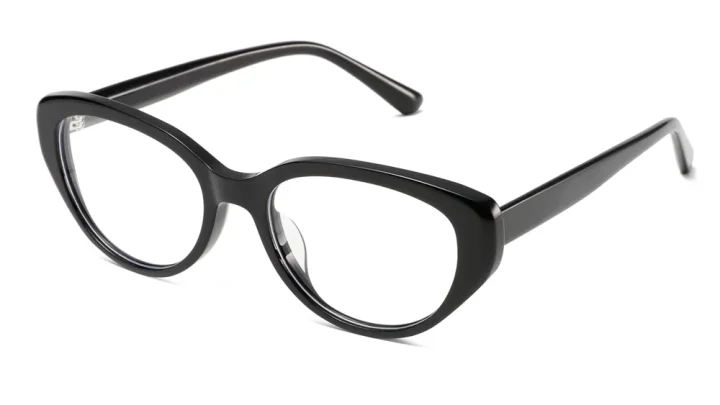
Factory low-bridge frames use distinct structural changes to address shallow nasal profiles. Manufacturers build these frames with reduced bridge widths, flattened base curves, and substantially larger acetate nose pads. They also adjust the pantoscopic tilt, angling the bottom rims outward to clear high cheekbones.

Image source: Bing (Web (fair-use with source credit))
Aftermarket pads modify standard frames to mimic these factory low-bridge dimensions. When you place silicone pads on a standard frame, you narrow the distance between lenses. This builds up the contact area along the sides of the nose.
Standard Frame Bridge (20mm) + 2.0mm Pads = Modified Bridge (16mm)
Result: 3mm cheek clearance lift, corrected vertex distance
Adhesive pads cannot alter the frame's wrap angle or hinge geometry. They work by creating vertical lift and frictional grip. This mechanical lift raises the entire eyewire 2mm to 4mm, stopping cheek contact on standard frames.
The Decision Tree: Choosing the Right Pad Style for Your Frame
Selecting the right pad requires evaluating your frame material, bridge shape, and skin type. Follow this operational decision path to pick the right pad style:
- Frame Material:
- If your frame has a fixed acetate or molded plastic bridge: Use stick-on silicone pads with optical-grade adhesive backing.
- If your frame has existing metal pad arms: Skip stick-on pads entirely. Use screw-in or push-on soft silicone replacement pads with an extended profile.
- Cheek Clearance Gap:
- If the frame rests heavily on your cheeks (zero gap): Select a 2.5mm or 3.0mm hollow air-chamber pad to maximize vertical lift.
- If the frame only slips down the nose (slight cheek gap already exists): Choose a 1.0mm or 1.5mm ultra-thin solid silicone pad for slip resistance without pushing the lenses outward.
- Skin Sebum and Daily Wear:
- If you have oily skin or live in a humid climate: Pick solid medical-grade silicone pads with reinforced 3M acrylic adhesive tape. Air pockets trap skin oils and degrade sooner under high humidity.
Complete Comparison: Pad Materials, Profiles, and Mounting Types
Aftermarket pads fall into three distinct physical profiles: solid silicone, air-chamber cushions, and asymmetrical D-shaped pads. Solid silicone delivers direct stability and resists compression under heavy acetate frames. Air-chamber designs feature a hollow internal cavity that acts like a miniature shock absorber, distributing pressure evenly across sensitive nasal tissue.
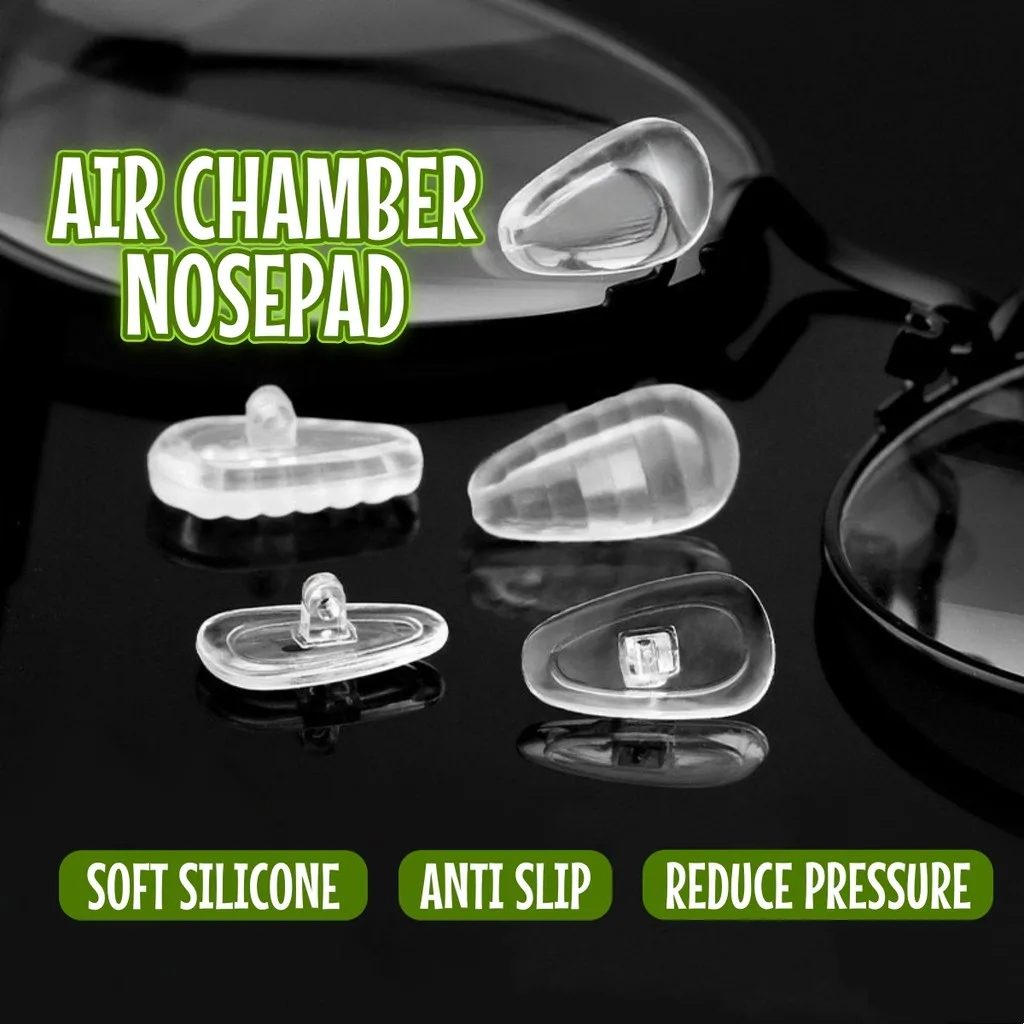
Image source: Bing (Web (fair-use with source credit))
Mounting styles also dictate long-term durability. Stick-on pressure-sensitive adhesives provide a simple, tool-free installation for molded frames. Slip-on boots slide directly over existing plastic posts, while screw-in variants fasten into standard optical metal brackets.
| Pad Type | Thickness Range | Best Frame Style | Expected Lifespan | Primary Benefit |
|---|---|---|---|---|
| Solid Silicone Stick-On | 1.0mm to 1.8mm | Plastic / Acetate | 4 to 8 weeks | Low visual profile, firm grip |
| Air-Cushion Stick-On | 2.0mm to 3.2mm | Thick Wayfarers | 3 to 6 weeks | Maximum lift and cheek clearance |
| D-Shape Contoured | 1.5mm to 2.5mm | Oversized Sunglasses | 4 to 8 weeks | Wide surface weight distribution |
| Screw-In Soft Silicone | 1.5mm to 2.8mm | Metal Wire Frames | 6 to 12 months | Semi-permanent mechanical mount |
Step-by-Step Workflow: How to Apply and Align Stick-On Nose Pads
Installing adhesive silicone pads correctly ensures they stay firmly anchored to the acetate surface. Rushing the surface prep leads to peeling edges within a week.
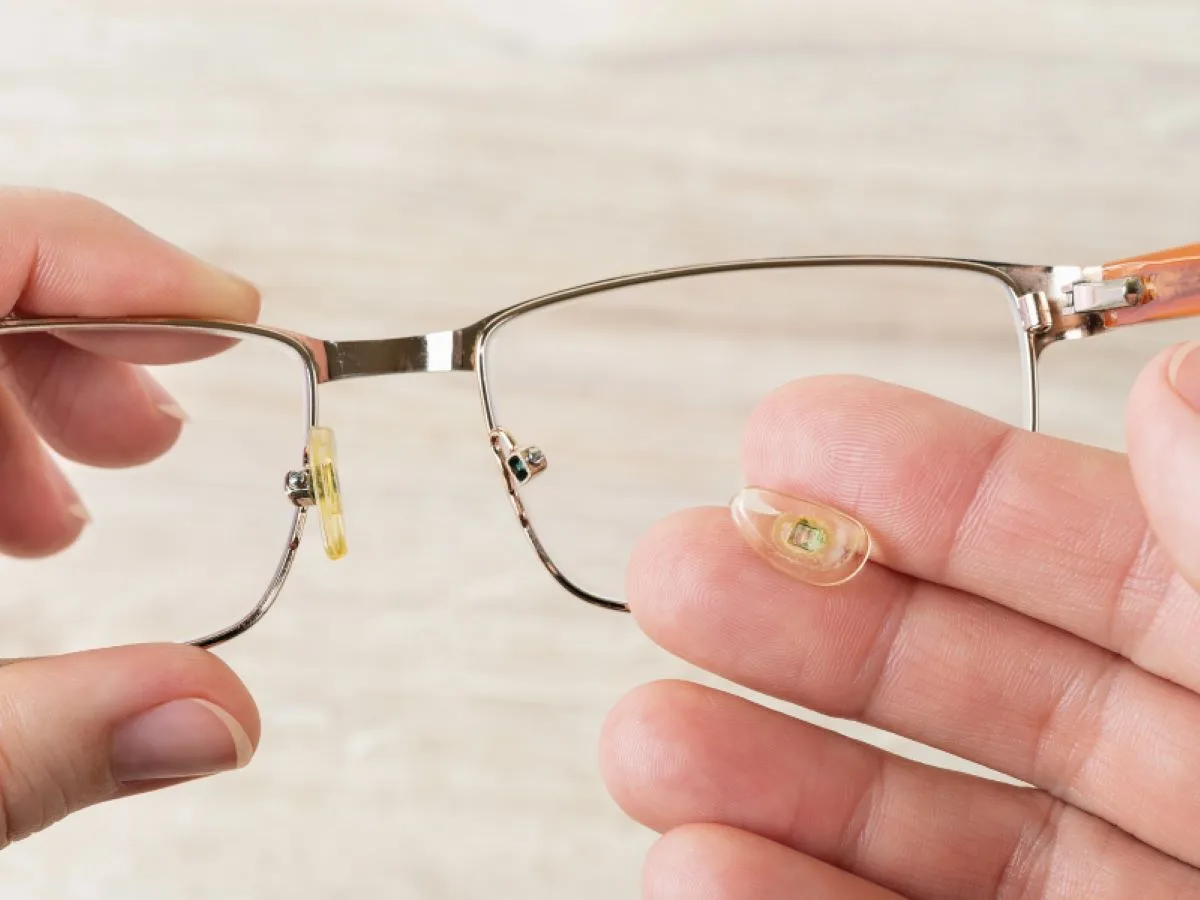
Image source: Bing (Web (fair-use with source credit))
Phase 1: Bridge Degreasing and Surface Prep
- Wash your hands thoroughly with oil-free soap to remove natural skin lipids.
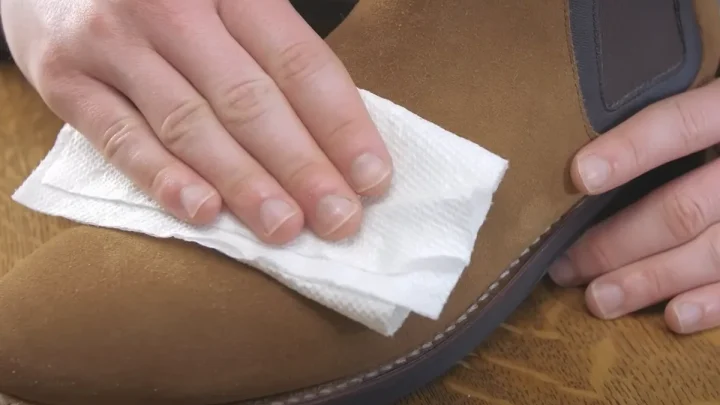
- Dampen a lint-free microfiber cloth with 70% or 91% isopropyl alcohol.
- Scrub the inner nasal contact facets of the sunglass bridge vigorously. Remove all body oils, cosmetic residues, and factory mold-release agents.
- Let the acetate air-dry completely for two minutes. Do not touch the cleaned surface with bare fingers.
Phase 2: Pad Placement, Symmetry, and Orientation
- Grasp the silicone pad using fine-tipped tweezers rather than your fingers. This protects the adhesive backing.
- Peel the protective backing strip away from the acrylic tape.
- Position the straight edge of the pad parallel to the outer edge of the frame bridge. The curved belly of the D-shape should point inward toward the lens opening.
- Set the pad down lightly on the acetate bridge. Double-check that both sides sit at the exact same vertical height before applying final pressure.
Phase 3: Pressure Bonding and Cure Time
- Press firmly against the pad face using your thumb for 30 to 45 seconds.
- Ensure pressure is applied evenly across the entire surface to eliminate trapped air bubbles.
- Allow the pressure-sensitive adhesive to cure undisturbed for at least 12 hours before wearing the sunglasses. Full bonding strength occurs after 24 hours at room temperature. Testing the fit immediately will break the initial adhesive tack.
Troubleshooting and Mistakes That Cause Pads to Fail Early
Premature adhesive failure happens when skin oils compromise the bonding layer. Natural facial sebum contains fatty acids that break down standard acrylic adhesives within days. Sunscreen and liquid foundations speed up this degradation, turning the backing into a gummy residue that slides out of place.
The Sebum and Makeup Trap: Why Adhesives Peel in Two Weeks
Daily exposure to sweat and cosmetics dissolves the adhesive boundary layer. If you apply foundation directly over your nasal crest, the silicone pad absorbs those oils.
To prevent early peeling, clean the contact area of your nose with an oil-free toner before wearing retrofitted frames. Once a pad begins to lift at the edges, replace it immediately. Pressing a loose pad back down simply traps skin oils underneath the tape, destroying what little grip remains.
The "Wrong Shape" Mistake: Placing D-Pads Upside Down
D-shaped pads have an asymmetrical contour designed to mirror the natural slope of the human nasal bone. The straight edge should always align vertically with the frame rim. The wider curved lobe must rest along the lower portion of the nose bridge.
Mounting a D-pad upside down reverses this geometry. The narrow taper ends up at the bottom where your nose is widest. This concentrates the entire weight of the sunglasses onto a tiny pressure point, causing painful red indentations.
The "Too Thick" Blunder: Pushing Frames Too Far From the Face
Using a 3.0mm pad when your frame only requires a 1.5mm lift causes severe optical distortion. Overly thick pads increase your vertex distance beyond standard design specifications.
When sunglasses sit too far forward, sunlight leaks around the top and sides of the frame. This gap defeats the purpose of polarized lenses. It also alters your field of view and makes the glasses look unbalanced on your face.
When Stick-On Pads Aren't Enough: Permanent Retrofits and Custom Options
Adhesive silicone pads work well as temporary fixes, but they are not permanent solutions. High temperatures and active sports degrade stick-on cushions quickly. When temporary pads fail to deliver long-term stability, mechanical modifications offer a permanent bridge adjustment.
Professional Arm Conversions: Adding Metal Pad Arms to Acetate
An optical technician can permanently convert fixed acetate frames by installing titanium pad arms. The optician mills two microscopic pilot holes directly into the plastic bridge. They press-fit and cement flexible gooseneck arms directly into the acetate body.
This conversion allows you to mount traditional screw-in silicone pads on your favorite thick plastic frames. You gain complete control over bridge width, pad height, and angle. As of 2026, most specialized optical labs charge between $40 and $80 for this custom service.
Acetate Modification Flow:
Fixed Bridge -> Precision Drilling -> Titanium S-Arms Inserted -> Mechanical Pads Mounted
Liquid Friction Waxes: A Non-Bulky Minimalist Alternative
Friction-based optical wax provides an alternative for wearers who dislike physical silicone cushions. These natural beeswax and coconut oil blends rub directly onto the frame bridge.
The wax creates a tacky, invisible layer that grips your skin without adding thickness. It will not push the frames forward or alter vertex distance. However, friction wax wears off quickly.
You must reapply it every two to four hours during active outdoor use.
When You Truly Need a Dedicated Low-Bridge Frame
Aftermarket pads modify bridge spacing, but they cannot fix poor frame geometry. If standard sunglasses dig painfully into your temples or touch your eyebrows, pads will not solve the underlying issue.
Dedicated low-bridge sunglasses feature reduced base curves, flatter front profiles, and widened temple spreads. These factory modifications prevent temple pinch while keeping the lower eyewires off your cheeks. If your sunglasses require more than 3.5mm of pad thickness to clear your face, invest in a dedicated low-bridge frame instead.
Low Bridge Sunglasses and Pads FAQ
How long do stick-on silicone nose pads actually last?
Stick-on silicone nose pads typically last between two and six weeks. Daily exposure to skin oils, makeup, facial sweat, and warm ambient humidity gradually breaks down the acrylic adhesive backing. For sanitary reasons and reliable grip, replace adhesive pads at the first sign of edge peeling or yellowing.
Will adhesive pads damage high-end acetate or polarized lenses?
No, optical-grade pressure-sensitive adhesives will not damage cellulose acetate, nylon, or polarized lenses. The adhesive bonds to the surface without melting or reacting with the plastic resin. If any sticky residue remains after removing an old pad, wipe it clean using 70% isopropyl alcohol and a microfiber cloth.
Can you use nose pads on sunglasses without built-in nose pieces?
Yes, you can install adhesive pads on completely flat or smooth acetate bridges. The adhesive adheres directly to any flat plastic or acetate surface. However, they will not adhere to raw metal wire frames.
Metal aviators require clip-on, push-on, or screw-in replacement pads mounted to dedicated support arms.
How do I stop my eyelashes from hitting the sunglass lenses?
Install thicker silicone pads measuring between 2.0mm and 2.5mm on the frame bridge. Increasing bridge thickness pushes the entire sunglass chassis forward, increasing vertex distance. This forward shift creates enough space between your corneas and the rear lens curve to let your eyelashes blink freely without smudging the glass.
Do Asian fit pads work on metal aviators?
Adhesive Asian fit pads do not stick to thin wire bridges. For metal aviator frames, replace the factory hard plastic pads with soft, extra-thick silicone screw-in cushions. Opticians can also bend the existing metal gooseneck pad arms inward with nylon-jawed pliers to narrow the bridge opening manually.

Similar Posts