Never Lose a Tennis Bracelet: Safety Chains & Clasps
Founder & Fashion Creative Director at Julia Fashionista · CFDA Fashion Scholar, Certified Image Consultant (AICI) · 12+ years in editorial wardrobe styling, sustainable textile sourcing, and luxury capsule curation
Looking down at an empty wrist is every jewelry owner's worst nightmare. You reach to adjust your diamonds, only to find the setting gone because a hidden catch popped open without a sound. Achieving real tennis bracelet safety chain clasp security means understanding how these tiny mechanical parts wear down over time.
A standard line bracelet contains dozens of moving parts that undergo constant movement throughout the day. Industry guidelines from the Gemological Institute of America emphasize that securing high-value jewelry requires matching the right mechanical fastener to your daily habits. Understanding how these locks function is the easiest way to prevent a heartbreaking loss.
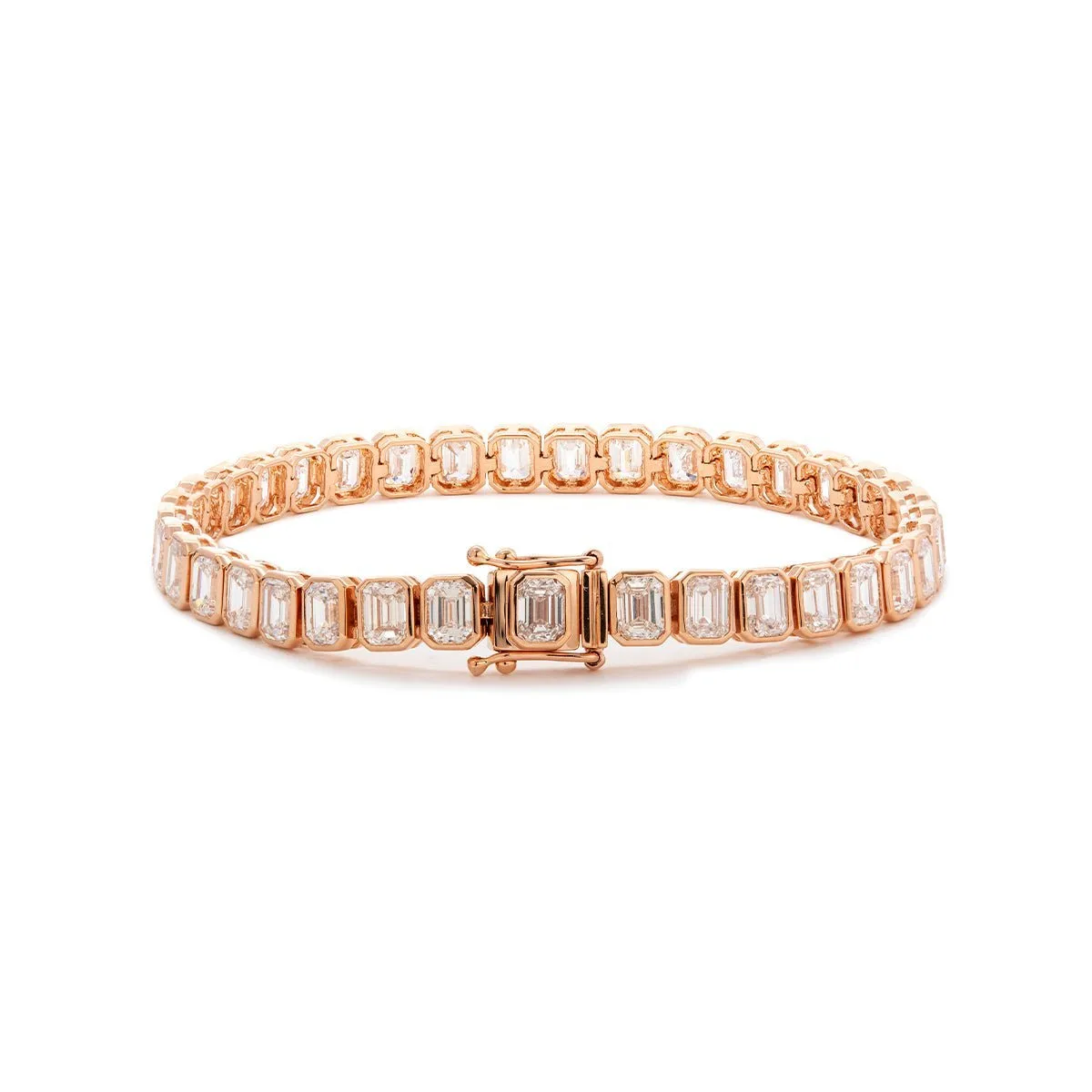
Image source: Bing (Web (fair-use with source credit))
Quick Answer
Tennis bracelet safety chain clasp security relies on a multi-layer defense. A primary box clasp holds the bracelet together. Wire catches provide a second line of defense.
A soldered safety chain acts as the final fail-safe. If the main clasp pops open, the chain keeps the bracelet trapped on your hand.
Why Tennis Bracelet Clasps Fail (And What Keeps Them on Your Wrist)
Most line bracelets rely on friction to stay closed. The core mechanism is usually a box-and-tongue clasp, where a folded piece of spring metal slides into an open housing. Over months of wear, that spring metal gets pressed down repeatedly.
Eventually, the tongue loses its bounce and slips out freely. Heavy knitwear, handbag straps, and coat cuffs also snag on exterior catches throughout the day. One sharp pull can yank an external latch open without you feeling a thing.
To keep the piece on your wrist, you need redundancy:
- Primary Lock: The internal tongue mechanism that bears the everyday tension.
- Secondary Catches: Hinged wire arms that snap over exterior posts.
- Tertiary Fail-Safe: A loose chain bridging both ends to stop the bracelet from sliding over your hand.
When these three elements work together, a failure in the main clasp will not cause the bracelet to drop to the floor.
The Core Security Options: Box Clasps, Wire Latches, and Safety Chains
Every security style comes with trade-offs between protection, visual bulk, and ease of use. Choosing the right setup depends on how often you wear your piece.
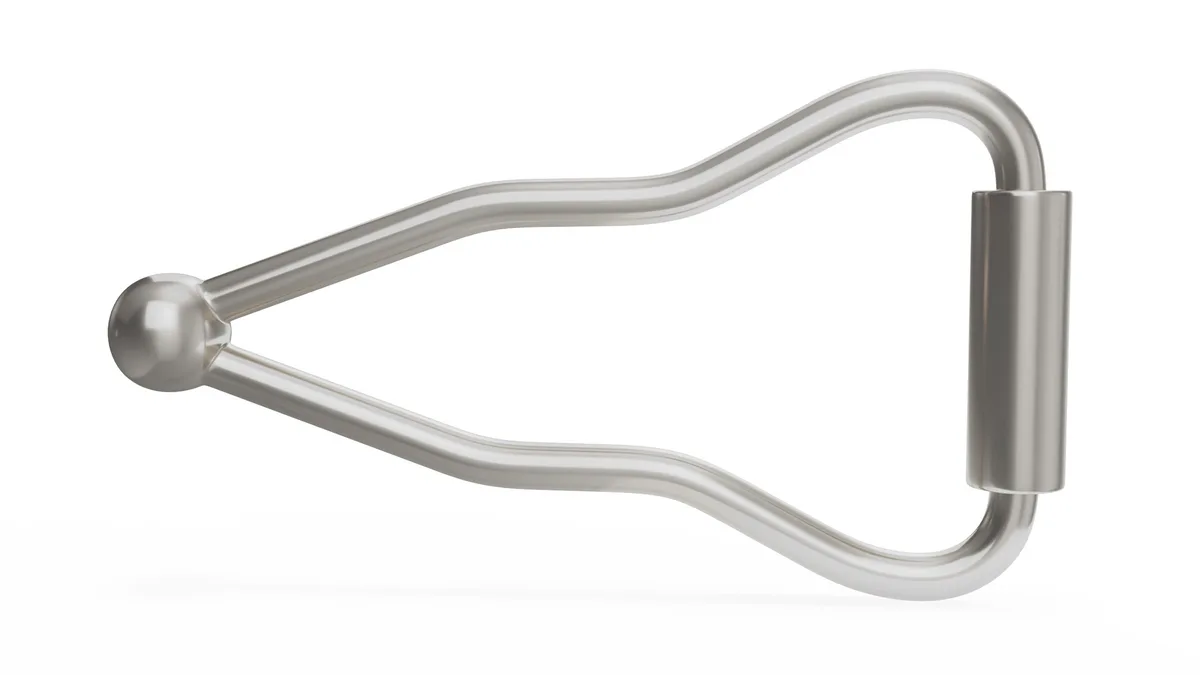
Image source: Bing (Web (fair-use with source credit))
The Traditional Box-and-Tongue Clasp
This design features a hollow metal box on one end of the bracelet and a folded, grooved tongue on the other. You squeeze the tongue, slide it into the box, and release it so the lip clicks behind an internal stop.
While it creates a seamless look between diamond settings, it provides minimal protection on its own. Repeated use flattens the metal tongue, eliminating the friction hold entirely.
Single and Double Figure-Eight Safety Catches
A figure-eight catch is an exterior wire loop hinged on one side of the clasp. Once the main tongue is locked, you push the wire loop over a small metal ball or post on the opposite side.
A single catch offers basic backup security. A double figure-eight uses two opposing latches, one on each edge of the clasp housing. Even if one wire gets snagged on clothing, the second latch keeps the closure anchored.
The Soldered Safety Chain
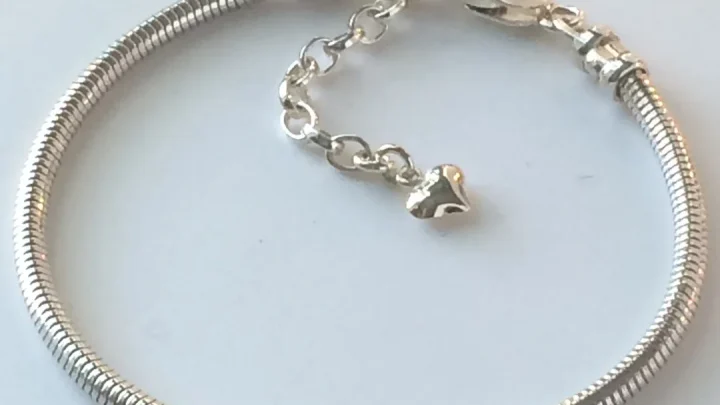
A safety chain consists of a delicate metal chain permanently soldered to both sides of the bracelet break. When the clasp is closed, the chain hangs in a short, discreet loop beneath your wrist.
If all mechanical clasps fail simultaneously, the chain catches the bracelet around your hand. Because the closed loop is smaller than the widest point of your knuckles, the piece cannot fall to the floor.
Fold-Over and Barrel Clasps
Fold-over clasps use a hinged channel that clamps directly over the opposing link. They rely on surface friction across a broad area, making them structurally tougher than thin spring tongues.
Barrel clasps screw together using internal micro-threads. They are exceptionally secure against accidental pulling, but they require two hands to fasten and can unthread if the bracelet twists continuously in one direction.
Clasp Security Compared: Protection, Convenience, and Failure Modes
No single mechanism handles every type of daily stress perfectly. Comparing how each option behaves under real-world pressure makes it easier to spot where your bracelet might be vulnerable.
| Clasp Mechanism | Security Level | Failure Mode | Ease of Fastening |
|---|---|---|---|
| Solo Box Clasp | Low | Metal fatigue flattens the spring tongue over time | Easy (One-handed) |
| Single Figure-Eight | Moderate | Fabric snags lift the wire latch off the post | Moderate |
| Double Figure-Eight | High | Simultaneous snags or structural wear on both posts | Moderate |
| Soldered Safety Chain | Very High | Broken solder joint or sheared chain link | High (Always attached) |
| Fold-Over Clasp | High | Hinge rivet wears loose over repeated cycles | Moderate to Hard |
If you wear your bracelet daily, pairing a double figure-eight with a soldered safety chain offers the best all-around protection against sudden loss.
How to Test and Fix Clasp Tension at Home
You can check whether your bracelet is secure in seconds without any special tools. Regular checks help you catch weak spring tension before it leads to an accident.
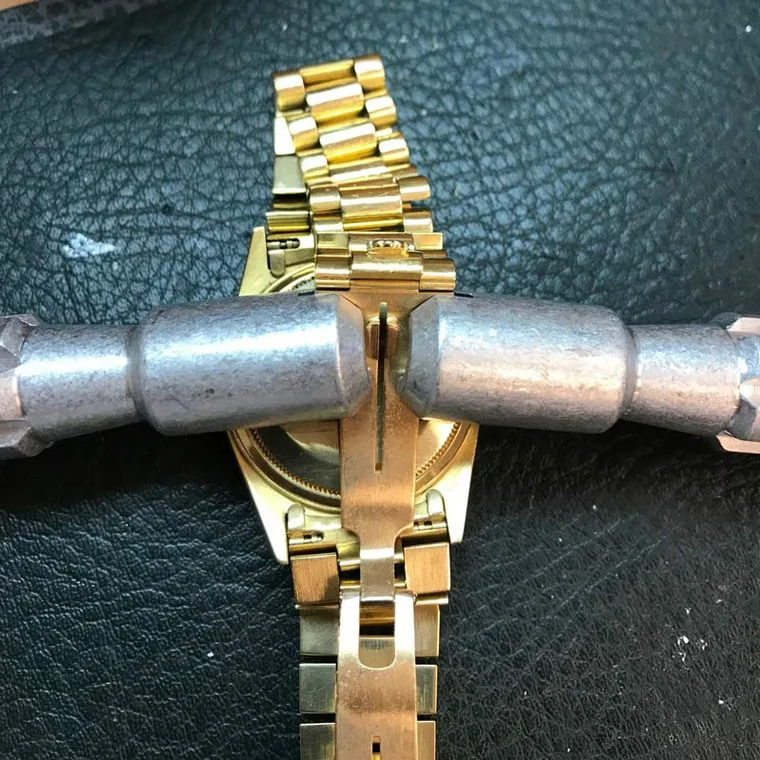
Image source: Bing (Web (fair-use with source credit))
The Audible Click Test
Hold the bracelet near your ear in a quiet room. Gently push the tongue into the box housing until it seats.
You should hear a sharp, metallic "snap" as the tongue clears the inner lip. Next, grip the bracelet on both sides of the clasp and give it a firm, steady tug without touching the release lever.
If the clasp slips out or wiggles loose with minimal effort, the spring tongue has lost its tension.
Adjusting a Fatigued V-Spring Tongue
You can restore minor tension to a flattened spring tongue at home using careful, light pressure:
- Lay the bracelet flat on a padded table or microfiber cloth.
- Examine the open tongue to find the small V-shaped split in the metal.
- Slide the thin edge of a wooden toothpick or plastic card between the top and bottom leaves of the tongue.
- Gently pry the leaves slightly apart to widen the gap by a fraction of a millimeter.
- Test the fit inside the box clasp to confirm you hear a firm click.
Avoid using metal tweezers or pliers on high-karat gold, as softer alloys can bend or snap under uneven force.
When to Add an Aftermarket Safety Chain
If your bracelet only features a basic box clasp or a loose wire latch, retrofitting a safety chain is a simple job for any skilled jeweler. Research standards from Jewelers of America suggest that professional bench checks prevent the majority of chronic clasp failures.
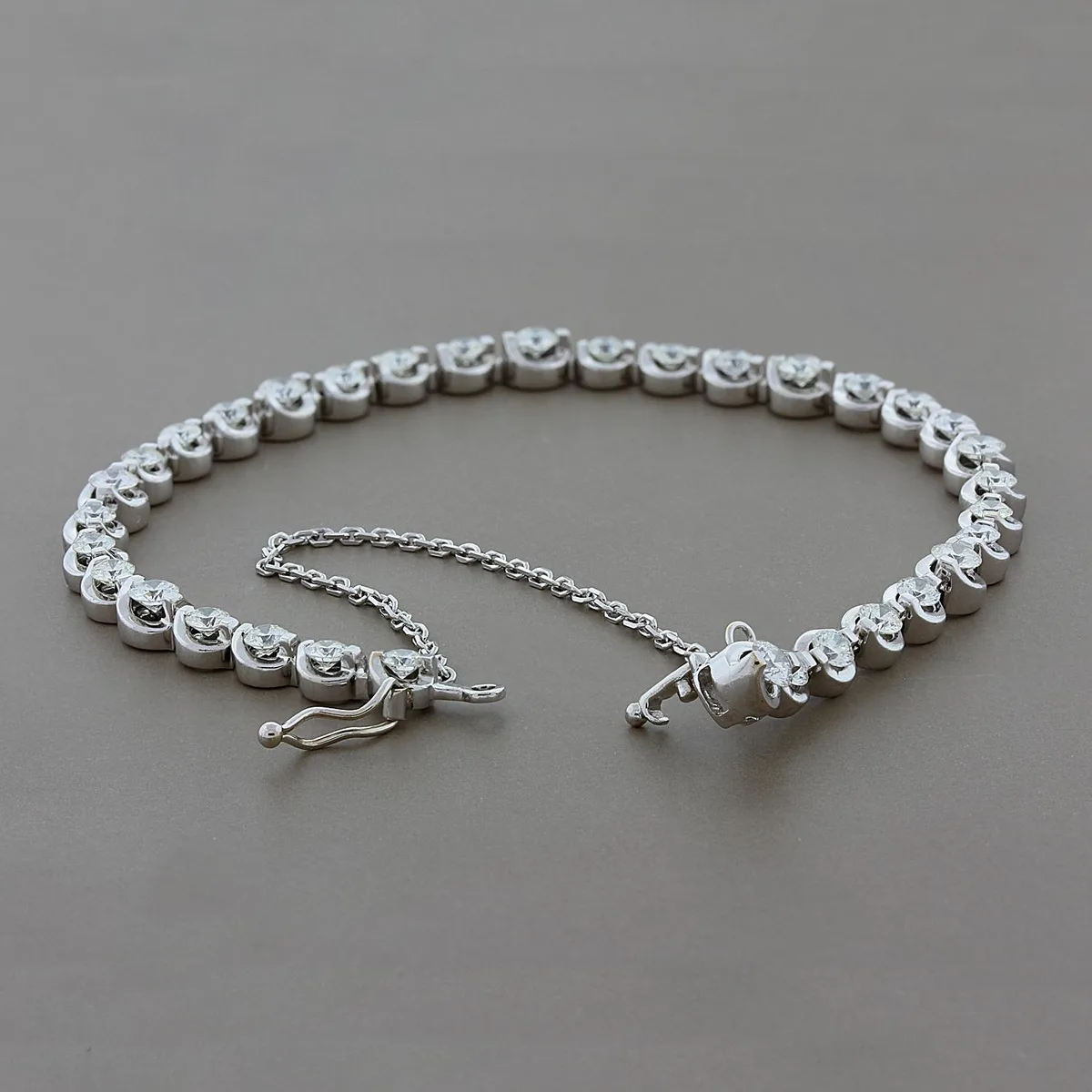
Image source: Bing (Web (fair-use with source credit))
Hand Circumference vs. Wrist Measurements
A safety chain must be measured carefully to work properly. The chain needs to be long enough to let the bracelet slide easily over the widest part of your hand when unclasped.
At the same time, it must be short enough so it cannot slip over your knuckles while dangling open. A standard chain length measures between 1.5 and 2.5 inches.
Your jeweler will measure your compressed knuckle span to find the exact sweet spot for your hand size.
Soldered Links vs. Spring Rings
Aftermarket safety chains come in two formats:
- Permanently Soldered: Both ends of the chain are laser-welded or torch-soldered to the main bracelet links. This creates a closed loop that cannot open by accident.
- Spring Ring Detachable: One end is soldered, while the other clips onto a jump ring using a tiny spring clasp. This makes the bracelet easier to put on, but adds another mechanical failure point.
Permanent soldering is the safer approach for fine jewelry. It removes the risk of an auxiliary clasp snapping open unnoticed.
Typical Bench Jeweler Costs and Workmanship
Adding a safety chain is a quick bench service that protects a much larger investment. As of 2026, basic labor and material costs remain very reasonable across most regional shops.
- Basic 14k Gold Chain and Soldering: $60 to $120
- Platinum Chain and Laser Welding: $100 to $180
- Re-tensioning and Deep Cleaning: Often included free with chain installation
Always verify that the jeweler uses laser welding or gold solder that matches your bracelet's metal purity. Clean, porosity-free joints will withstand years of steady wrist movement.
Subtle Habits That Silently Pop Open Your Bracelet
Even the sturdiest clasp can fail if everyday habits put hidden stress on the mechanism. Most lost bracelets do not break from sudden trauma. They fall off because routine movements gradually weaken the locking components over time.
Heavy Knits, Coat Cuffs, and Friction Snags
Tight sweater sleeves and wool jackets are the leading cause of accidental clasp release. As you pull a heavy knit sleeve over your wrist, the woven fibers catch beneath the wire arm of a figure-eight safety latch.
This upward pull flips the latch off its retaining post without making a sound. If your coat cuff rubs against the release tab of the main box clasp, the tongue can slide free moments later.
Always fasten your outerwear cuffs before putting your bracelet on. When removing layers, peel the sleeve back gently instead of yanking the fabric across your wrist.
Lotion, Soap, and Debris Build-Up in the Housing
Body lotions, hand creams, and bar soaps leave a gummy residue inside the female box housing. Over several weeks, this film traps dust and shed skin cells inside the clasp chamber.
This grime forms a physical cushion behind the internal locking ledge. The spring tongue cannot travel deep enough to catch the retaining lip, preventing a true mechanical lock.
You might feel the tongue slide in, but without that clear metal seat, a light bump will dislodge it. Soak the clasp in warm water with mild dish soap every two weeks, and clear the inner box using a soft nylon brush.
Sleeping or Showering in Articulated Diamond Links
Wearing fine jewelry to bed exposes the settings to high torsional stress. When you roll over, the bracelet twists against sheets and mattress seams, torquing the rigid metal tongue inside the box.
This twisting bends the tongue sideways and loosens the tiny rivets holding the hinge pins together. Showering presents equal hazards, as soapy water makes the bracelet slick enough to slide over your knuckles unnoticed if the clasp releases.
Remove line bracelets before bed, showers, or gym workouts. Storing the piece flat in a fabric-lined tray preserves the spring memory of the gold.
Real-World Clasp Recommendations by Daily Lifestyle
The ideal security setup depends on your routine, your work environment, and how often you wear your jewelry. Selecting the right combination gives you protection without unnecessary bulk.
- Occasional Evening Wear: A standard box clasp paired with a single figure-eight catch works well. Because you wear the piece in low-impact settings, extra chains are rarely necessary.
- Daily Office and Commuting: Choose a double figure-eight safety catch. Desk work involves constant wrist contact with keyboards and tables, which can knock a single latch loose. Opposing latches keep the lock steady.
- Active Lifestyles and Travel: Insist on a double figure-eight catch plus a permanently soldered safety chain. If you are rushing through airports or running errands, you need that third fail-safe to catch the bracelet when clothing snags occur.
- Heavy or High-Carat Settings (5 ctw and up): Upgrade to a reinforced box clasp with a soldered safety chain and dual latches. Larger diamonds add substantial swing weight, which pulls clasps open much faster during natural arm swings.
If you are buying a vintage or estate bracelet, budget for a quick jeweler visit right away. Having a goldsmith tighten the internal spring tongue before your first outing prevents instant loss.
Frequently Asked Questions About Tennis Bracelet Security
How tight should a tennis bracelet safety chain be?
A safety chain should measure between 1.5 and 2.5 inches in total length. It must give enough slack for the bracelet to slide over your knuckles when unfastened. It must also remain short enough so the bracelet cannot slide over your hand if the main clasp pops open.
Can a jeweler add a safety catch to any tennis bracelet?
Yes, a bench jeweler can add figure-eight catches or safety chains to almost any gold or platinum line bracelet. The work requires basic torch soldering or laser welding to join the components to the frame. Most shops finish the entire modification in one or two business days.
Why does my box clasp unhook on its own?
Your clasp unhooks because the internal V-shaped spring tongue has flattened from repeated use. Without sufficient upward spring tension, the tongue cannot stay locked behind the inner lip of the housing. You can gently spread the tongue leaves apart, or let a jeweler re-tension the metal.
Will insurance cover a tennis bracelet lost from a broken clasp?
Most basic homeowners policies do not cover mysterious disappearance, which includes losing a bracelet due to a failed clasp. To protect against this specific risk, you need a dedicated jewelry policy or a personal property rider that explicitly covers accidental loss and clasp failure anywhere in the world.
Is a double figure-eight catch better than a safety chain?
Both mechanisms serve different needs, but they work best together. Double figure-eight catches prevent the main clasp from opening when fabric pulls on the bracelet. A safety chain does not stop the clasp from opening, but it keeps the unclasped bracelet trapped on your hand so it never hits the ground.

Similar Posts